
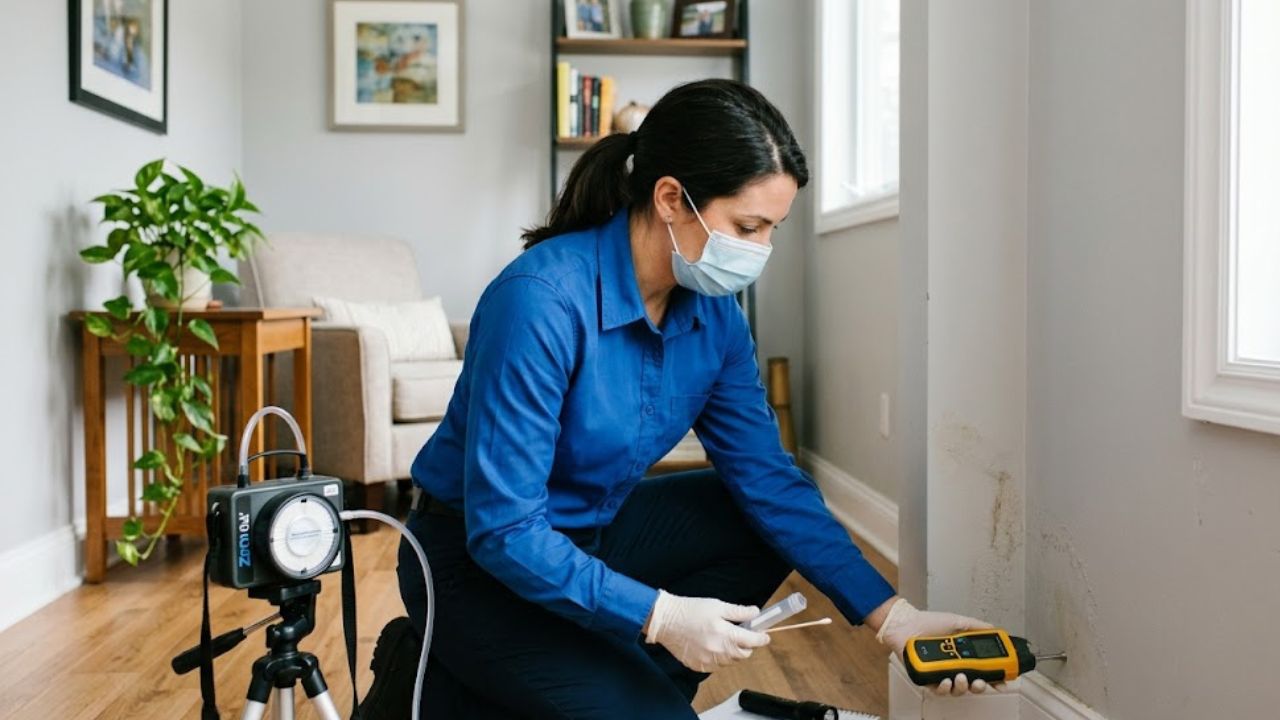
Mold growth in homes and buildings is a common yet often overlooked issue that can lead to serious health concerns and structural damage. Mold thrives in damp, humid environments and can spread quickly if not addressed in time. This is where mold inspection and testing play a crucial role. These processes help identify the presence of mold, determine its type, and assess the level of contamination in a property.
Whether you are a homeowner, tenant, or property manager, understanding mold inspection and testing can help you maintain a safe and healthy indoor environment. This article explores what mold inspection and testing involve, why they are important, how they are conducted, and what you should expect during the process.
What Is Mold Inspection and Testing
Mold Inspection Explained
Mold inspection is a detailed examination of a property to detect visible and hidden mold growth. It involves identifying areas with moisture problems, such as leaks, condensation, or water damage, which create ideal conditions for mold development.
A professional inspector evaluates both the interior and exterior of the property, checking areas like:
- Basements and crawl spaces
- Bathrooms and kitchens
- Attics and roofs
- HVAC systems
- Walls, ceilings, and flooring
The goal is to locate mold colonies and determine the source of moisture causing the issue.
Mold Testing Explained
Mold testing is the process of collecting samples from the air or surfaces to identify the type and concentration of mold spores present. These samples are analyzed in a laboratory to provide accurate results.
Testing is especially useful when:
- Mold is suspected but not visible
- There is a persistent musty odor
- Occupants experience unexplained health symptoms
- The extent of contamination needs to be measured
Why Mold Inspection and Testing Are Important
Protecting Health
Mold exposure can cause various health issues, particularly for individuals with allergies, asthma, or weakened immune systems. Common symptoms include:
- Sneezing and coughing
- Skin irritation
- Eye redness
- Respiratory problems
Certain types of mold can produce toxins that may lead to more serious health conditions over time.
Preventing Structural Damage
Mold feeds on organic materials such as wood, drywall, and insulation. If left untreated, it can weaken structural components and lead to costly repairs.
Identifying Hidden Problems
Mold often grows in hidden areas like behind walls or under flooring. Inspection and testing help uncover these issues before they worsen.
Ensuring Property Value
A property with mold problems can lose its market value. Regular inspection and testing help maintain property integrity and buyer confidence.
Signs You May Need Mold Inspection and Testing
You do not always need visible mold to justify an inspection. Here are some common warning signs:
- Persistent musty or damp odors
- Recent water damage or flooding
- Visible discoloration on walls or ceilings
- Peeling paint or wallpaper
- Increased allergy symptoms indoors
If you notice any of these signs, it is advisable to schedule a professional inspection.
The Mold Inspection Process
Initial Assessment
The inspector begins with a visual evaluation of the property. They look for signs of moisture, water damage, and mold growth.
Moisture Detection
Special tools such as moisture meters and thermal imaging cameras are used to detect hidden moisture behind walls and surfaces.
Air Quality Testing
Air samples are collected to measure mold spore levels in different areas of the property. These samples are compared to outdoor air to determine if indoor levels are elevated.
Surface Sampling
Swab or tape samples may be taken from visible mold patches to identify the type of mold present.
Detailed Report
After inspection and testing, a comprehensive report is provided. It typically includes:
- Areas affected by mold
- Types of mold detected
- Severity of contamination
- Recommendations for remediation
Types of Mold Testing Methods
Air Sampling
This method captures airborne mold spores to assess indoor air quality. It is useful for detecting hidden mold.
Surface Sampling
Surface testing identifies mold growing on specific materials such as walls or furniture.
Bulk Sampling
This involves removing a piece of material, such as drywall or insulation, for laboratory analysis.
Each method serves a specific purpose, and professionals often use a combination of techniques for accurate results.
Cost of Mold Inspection and Testing
The cost of mold inspection and testing can vary depending on several factors:
- Size of the property
- Number of samples required
- Location and accessibility
- Severity of the suspected problem
On average, homeowners can expect to pay anywhere from moderate to high fees depending on the complexity of the inspection. While it may seem like an added expense, early detection can save significant costs in repairs and health-related issues.
Mold Remediation After Testing
Inspection and testing are only the first steps. If mold is detected, remediation is necessary to eliminate the problem.
Key Steps in Mold Remediation
- Containing the affected area
- Removing contaminated materials
- Cleaning and disinfecting surfaces
- Fixing moisture issues to prevent recurrence
Professional remediation ensures that mold is completely removed and does not return.
DIY vs Professional Mold Inspection
DIY Inspection
Homeowners can perform basic visual inspections and use home testing kits. However, these methods have limitations and may not provide accurate results.
Professional Inspection
Certified professionals have the expertise, tools, and experience to conduct thorough inspections and reliable testing. They can also provide actionable solutions tailored to your situation.
For serious or recurring mold issues, professional inspection is the safer and more effective option.
Tips to Prevent Mold Growth
Prevention is always better than cure. Here are some practical tips to reduce the risk of mold:
- Maintain proper ventilation in bathrooms and kitchens
- Use dehumidifiers in damp areas
- Fix leaks and water damage promptly
- Keep indoor humidity levels below 60 percent
- Clean and dry wet areas within 24 to 48 hours
Regular maintenance can significantly reduce the chances of mold development.
Conclusion
Mold inspection and testing are essential steps in maintaining a healthy and safe living environment. They help identify hidden mold problems, protect your health, and prevent costly damage to your property. By understanding the inspection process, recognizing warning signs, and taking preventive measures, you can effectively manage mold risks.
Investing in professional mold inspection and testing not only ensures accurate results but also provides peace of mind. Whether you suspect mold growth or simply want to safeguard your home, taking proactive steps today can save you from bigger problems in the future.
 Lavishcars