
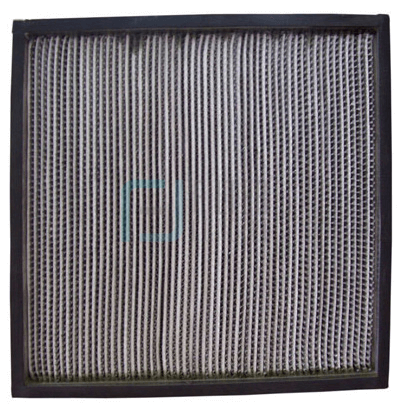
Air quality has become a major concern in both residential and industrial environments. With rising pollution levels, allergens, and airborne contaminants, maintaining clean indoor air is no longer optional—it is essential. One of the most effective solutions available today is the HEPA filter. Known for its exceptional ability to trap microscopic particles, a HEPA filter plays a crucial role in improving air quality and protecting health. This article explores everything you need to know about HEPA filters, their working mechanism, benefits, applications, and why they are a smart investment for cleaner air.
What is a HEPA Filter?
A HEPA filter (High-Efficiency Particulate Air filter) is a specialized air filtration system designed to capture extremely small particles that are invisible to the naked eye. To meet true HEPA standards, the filter must remove at least 99.97% of airborne particles as small as 0.3 microns.
These filters are constructed using a dense mat of randomly arranged fibers, typically made from fiberglass. This complex structure allows the HEPA filter to trap contaminants such as dust, pollen, mold spores, bacteria, and even some viruses.
Unlike conventional filters that primarily block larger particles, HEPA filters provide a much higher level of filtration efficiency, making them a preferred choice for environments where air purity is critical.
How Does a HEPA Filter Work?
The effectiveness of a HEPA filter lies in its unique filtration mechanism, which combines several physical processes to capture particles of different sizes. These include:
1. Interception
Particles following airflow come into contact with the fibers and stick to them. This is effective for medium-sized particles.
2. Impaction
Larger particles cannot adjust quickly to the airflow and collide directly with the fibers, getting trapped in the filter.
3. Diffusion
Very small particles move erratically due to Brownian motion, increasing the chances of being captured by the fibers.
These three mechanisms work together to ensure that a HEPA filter can efficiently remove a wide range of contaminants, regardless of their size.
Benefits of Using a HEPA Filter
1. Superior Air Purification
The primary advantage of a HEPA filter is its unmatched ability to clean the air. It captures pollutants that ordinary filters cannot, ensuring a healthier indoor environment.
2. Allergy and Asthma Relief
People suffering from allergies or respiratory issues benefit greatly from HEPA filters. By removing allergens like pollen, pet dander, and dust mites, these filters help reduce symptoms and improve breathing.
3. Removal of Harmful Microorganisms
HEPA filters can trap bacteria and certain viruses, reducing the risk of airborne infections, especially in sensitive environments like hospitals.
4. Improved Workplace Safety
In industrial settings, a HEPA filter helps remove hazardous particles from the air, protecting workers from exposure to harmful substances.
5. Odor Reduction Support
While HEPA filters primarily target particles, they often work alongside activated carbon filters to reduce unpleasant odors, resulting in fresher air.
Applications of HEPA Filter Technology
The versatility of HEPA filters makes them suitable for a wide range of applications across different industries.
Residential Use
Air purifiers equipped with HEPA filters are commonly used in homes to maintain clean air. They are especially useful in urban areas where pollution levels are high.
Healthcare Facilities
Hospitals and clinics rely on HEPA filters to maintain sterile environments. They are used in operating rooms, isolation units, and laboratories to prevent contamination.
Industrial Settings
Manufacturing units, pharmaceutical plants, and cleanrooms use HEPA filters to maintain strict air quality standards and ensure product integrity.
Automotive Industry
Many modern vehicles now include HEPA filtration systems to provide cleaner cabin air for passengers.
Commercial Spaces
Offices, shopping malls, and hotels use HEPA filters to create a comfortable and healthy environment for occupants.
HEPA Filter vs. Regular Filters
A common question is how a HEPA filter compares to standard air filters. The difference lies in efficiency and performance.
Regular filters are designed to capture larger particles like dust and lint but often fail to trap microscopic contaminants. In contrast, HEPA filters are engineered to capture even the smallest particles, making them far more effective in maintaining air quality.
While regular filters are more affordable, they do not provide the same level of protection. Investing in a HEPA filter ensures better long-term health benefits and improved air cleanliness.
Maintenance and Replacement
To maintain the effectiveness of a HEPA filter, proper maintenance is essential. Over time, the filter becomes clogged with trapped particles, which can reduce airflow and efficiency.
- Regular Inspection: Check the filter periodically for signs of dirt buildup.
- Timely Replacement: Most HEPA filters need replacement every 6 to 12 months, depending on usage.
- Proper Installation: Ensure the filter is installed correctly to avoid air leakage.
- Avoid Washing (Unless Specified): Most HEPA filters are not washable and should be replaced rather than cleaned.
Proper care ensures that the HEPA filter continues to deliver optimal performance.
Choosing the Right HEPA Filter
Selecting the right HEPA filter depends on your specific needs. Consider the following factors:
Room Size:
Ensure the filter is suitable for the size of the area where it will be used.
Airflow Rate (CADR):
A higher Clean Air Delivery Rate indicates better performance.
Additional Features:
Look for features like pre-filters, carbon filters, and smart controls.
Energy Efficiency:
Choose a model that balances performance with energy consumption.
Noise Levels:
For residential use, select a filter that operates quietly.
Making the right choice ensures you get maximum value and performance from your HEPA filter.
Future of HEPA Filter Technology
As concerns about air pollution and health continue to grow, the demand for HEPA filters is expected to rise. Innovations in filtration technology are making these filters more efficient, durable, and energy-efficient.
Advanced HEPA systems are now being integrated with smart sensors and IoT technology, allowing users to monitor air quality in real time. This not only improves convenience but also ensures timely maintenance and optimal performance.
In the future, HEPA filters will play an even more significant role in creating safer and healthier environments across industries.
Conclusion
The importance of clean air cannot be overstated, and a HEPA filter stands out as one of the most reliable solutions for achieving it. With its ability to capture microscopic particles, reduce allergens, and improve overall air quality, it has become an essential component in homes, workplaces, and industrial settings.
Whether you are looking to protect your family’s health, enhance workplace safety, or maintain strict air quality standards, investing in a HEPA filter is a smart and effective choice. As technology continues to evolve, HEPA filters will remain at the forefront of air purification, ensuring cleaner and healthier air for everyone.
 Lavishcars