
Buying books for kids is one of those things that sounds easy until you actually try to do it. There’s an overwhelming number of titles out there. Some are wonderful. Some are forgettable. Some are pitched at the wrong age. And some have lessons that feel forced. When you order books for kids, especially as a gift, you want to feel confident the recipient will actually enjoy it.
This is a guide for parents who want to build a home library, grandparents shopping for grandkids, aunts and uncles buying birthday gifts, and family friends who want to give something more thoughtful than another toy.
Start by Knowing the Reader
Before you order anything, think about the kid you’re buying for. Age matters most, but it’s not the only thing.
Age Range
Most kids’ books have a recommended age range printed on the cover or in the listing. These ranges are usually accurate but not gospel. A four-year-old who has been read to since birth might love a book aimed at six-year-olds. A six-year-old who isn’t into stories yet might prefer something simpler.
For preschoolers, picture books with short text work best. For early elementary kids, books with a real story arc and slightly more text are right. For older kids, longer picture books and early chapter books open up.
Interests
A kid who loves dinosaurs will read about dinosaurs even if the writing is meh. A kid who loves animals will follow any character with fur or scales. Pay attention to what the kid is into, and match the book to it.
Reading Style
Some kids love being read to. Some prefer to read alone, even at four. Some want books to look at quietly without anyone narrating. The format matters. A book that’s beautiful to flip through suits a kid who likes art. A book with rhythm and rhyme suits a kid who likes being read to.
What Makes a Good Kids’ Book Worth Ordering
There’s no one definition, but a few qualities show up in books that get read again and again.
A Character Kids Care About
Stories live or die on character. A grumpy bear, a brave girl, a slow turtle, a confused puppy. The best kids’ books have characters with clear personalities that kids recognize and root for.
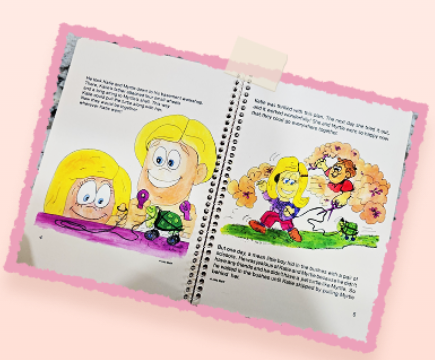
Take Myrtle the Turtle by Bruce Wermuth as an example. The story features a young girl named Katie and her pet turtle. Katie isn’t a flawless hero. She’s a regular kid who has to figure out how to handle a problem with creativity and kindness. That kind of grounded character makes a book stick.
A Real Problem to Solve
Kids’ books that just describe nice things happening get boring fast. The good ones have a problem the character has to work through. The problem doesn’t have to be huge. A lost toy, a fight with a friend, a new situation that feels scary. What matters is that the character actually does something about it.
An Ending That Feels Right
Avoid books that tie everything up too cleanly in the last two pages. Look for endings where the character has genuinely changed, even slightly. That’s what gives a kids’ book emotional weight.
Buying for Different Occasions
Different occasions call for different types of books.
Birthdays
For a birthday gift, look for something that feels like an event. A picture book with great art, or a special edition, or a book that ties into an interest the kid already has. Birthday books should feel like treats, not homework.
Holidays
The holidays are a good time to gift a book that becomes part of a family ritual. Bedtime stories, books about kindness or generosity, or books with seasonal themes. These get pulled out year after year and become part of the family memory bank.
Just Because
Some of the best book gifts come for no reason at all. Showing up at a niece’s house with a book you thought she’d like is a sweet gesture. These books don’t need to be expensive or fancy. They just need to feel chosen.
Welcome a New Sibling
When a new baby arrives, books that help an older sibling adjust make great gifts. Books that focus on family bonds, gentle behavior toward little ones, or sharing a parent’s attention.
Where to Order
There are lots of options.
Major Online Retailers
Amazon and similar sites carry just about every kids’ book in print. They’re easy. They’re fast. They have reviews and previews. For most orders, they get the job done.
Direct From Authors
For indie authors or smaller releases, ordering directly from the author’s website can get you signed copies, bundles, or special perks. The author website for Bruce M. Wermuth, for example, links to extras like preview chapters of Myrtle the Turtle and a heads-up on his upcoming companion book about a girl named Katie and some ducklings.
Local Independent Bookstores
If you have a local independent bookstore, ordering through them or their website supports your community. Many ship nationwide now, and a lot of them have curated recommendations from staff who know kids’ books well.
Used Bookstores & Resale Sites
Don’t overlook used copies. A used kids’ book in good condition is often half the price of new and reads just the same. This is especially good for building out a home library without breaking the bank.
What to Do After You Order
The book arrives. Now what.
For Parents
Don’t just hand it to the kid and walk away. Sit down and read it together. Read it twice. Talk about the pictures. Notice what your kid responds to. The book becomes part of your shared experience, not just an object in the toy bin.
For Gift-Givers
Write a note inside the cover. Date it. Sign it. Maybe add a line about why you picked this book for this kid. Years from now, that inscription becomes part of the gift. Kids who grow up with annotated book gifts often keep them for life.
Books Worth Keeping on Your Radar
A few categories worth knowing about when you order books for kids.
Books With Emotional Value
Stories that handle feelings, kindness, friendship, or bravery. These tend to outlast the trend cycle and stay relevant for years. They’re also the kinds of books that get reread, which is what makes them worth owning.
Books With Strong Art
The art matters. Even if the writing is good, weak illustrations make a kids’ book hard to love. Look for art that has personality.
Books From Authors Who Know Kids
Authors with real experience working with children tend to write better stories. Teachers, child psychiatrists, pediatricians, longtime parents. Their books usually feel more grounded.
A Final Note
Ordering books for kids should feel fun, not stressful. You’re not picking a textbook. You’re picking something that might become part of someone’s childhood. Trust your instincts. Pay attention to what the kid actually loves. And don’t be afraid to take a chance on a book that feels right, even if it’s not a famous one.
Some of the books kids love most aren’t the ones on the bestseller list. They’re the ones picked with care by someone who knew the kid. That’s the kind of gift that lasts.
 carelsbuttler
  logibrisk