
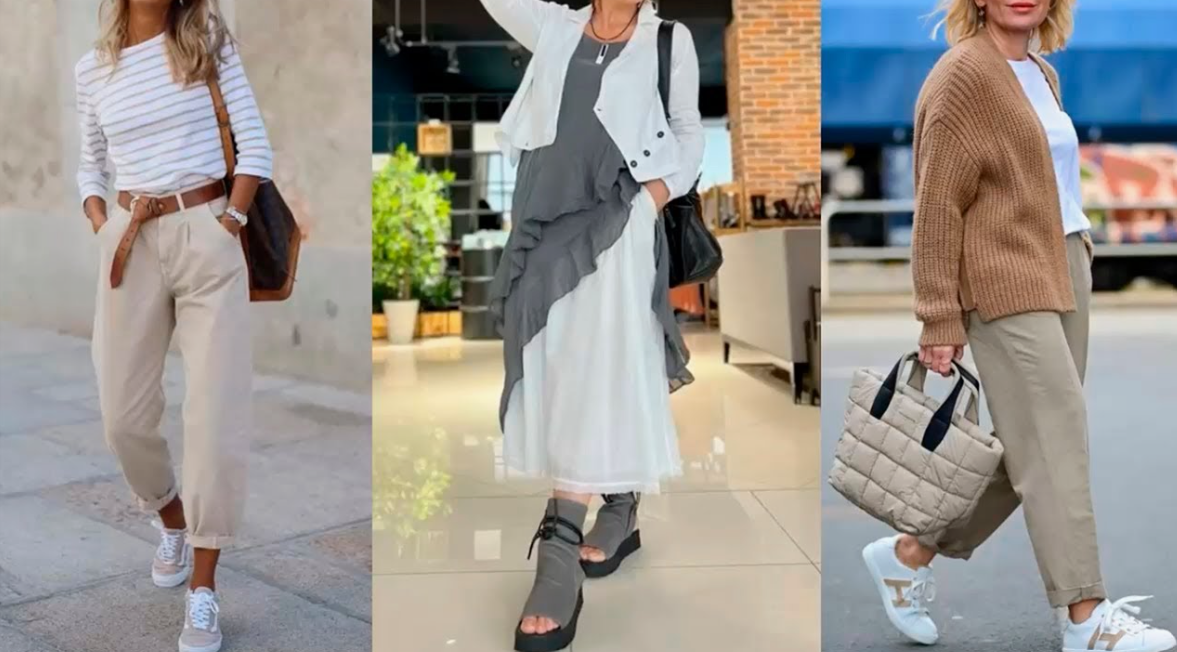
The way people dress every day has shifted hard over the last few years. The structured, fitted, dress-up-for-everything approach that defined a lot of the 2010s has lost ground to clothing built around how the body actually moves. Comfort is no longer a compromise. It’s the starting point.
Some of this came from the pandemic years when people stopped wearing real pants for months and realized they didn’t miss them. Some of it came from streetwear culture going mainstream. Some of it came from work changing, with fewer offices requiring formal wear and more people working from home full time.
Whatever the cause, the result is clear. Comfort is the dominant theme in everyday casual fashion comfort right now, and the trends moving fastest are the ones that take comfort seriously.
versized Has Become the Default
Slim fits dominated for over a decade. Skinny jeans, fitted tees, structured shirts, narrow blazers. The look was sharp but restrictive. You couldn’t sit comfortably in slim cut pants for eight hours. You couldn’t reach up without lifting your shirt.
The shift to oversized fixed that. Boxy t-shirts with dropped shoulders move with the body. Loose pants don’t bind at the knees or thighs. Oversized hoodies layer easily and don’t pull at the chest. The fit is forgiving, which means it works for more body types and more daily activities.
This isn’t just casual wear. Even office wear has loosened up. The fitted suit has given way to relaxed blazers and looser trousers. Button-down shirts are cut wider through the body. The whole proportion of clothing has changed.
Soft Fabrics Are Winning
Stiff, structured fabrics have lost ground to softer, more flexible materials. Heavyweight cotton, French terry, fleece-back knits, and brushed jersey are doing more of the work in everyday wardrobes than woven materials.
The reason is wearability. A heavy cotton crewneck moves with you. A starched dress shirt fights you. For everyday use, the soft option wins almost every time.
This shows up in pants too. Joggers, drawstring pants, and elastic-waist styles have moved out of loungewear and into normal daytime use. The waistband alone changed how comfortable getting dressed can be.
Sneakers Replaced Almost Everything
The shoe category is where comfort has won most clearly. Sneakers have replaced dress shoes for a huge portion of the population. They’ve replaced boots for casual wear, replaced flats for women’s daily wear, and replaced loafers for casual office wear.
Even high-end fashion has accepted this. Designer brands now make sneakers as part of their core collections. The category is one of the largest in fashion and it shows no signs of shrinking.
The reason is the same as the rest of the trend. People walk a lot. They stand a lot. They want shoes that don’t punish them for living their lives.
Layering Got Smarter
Layering used to mean stacking pieces for warmth. Modern layering is about flexibility. People want outfits that work across temperatures, situations, and parts of the day.
A typical comfortable everyday fit might be a soft tee under an unstructured shirt under a chore jacket. The layers can be added or removed depending on if you’re indoors, outdoors, in a meeting, or running errands.
Hoodies have become layering pieces, not just outerwear. Wearing a hoodie under a jacket is normal now. Wearing a button-down over a tee is normal. The rules of what goes over what have loosened up entirely.
Streetwear Made It Mainstream
A lot of the comfort shift comes from streetwear moving into the center of fashion. Streetwear has always been built around how people actually live, not how runways want them to look. Loose fits, soft fabrics, and casual silhouettes were core to the style from the start.
Brands like Bel LLC, which build their lines around Baltimore street culture, focus on pieces people can wear daily without thinking. Heavyweight tees, soft hoodies, comfortable caps. The pieces work because they’re built for real life, not for a single occasion.
This influence has spread outward. Mainstream brands have copied streetwear silhouettes. High-end designers have copied streetwear materials. The comfort-first approach that streetwear introduced is now the standard across most of the fashion market.
What People Actually Wear
If you observe what most adults actually wear day to day in 2026, the pattern is clear.
For tops, oversized graphic tees, soft long sleeves, and heavyweight hoodies do most of the work. Button-downs show up but they’re cut loose and worn open over a tee more often than buttoned up alone.
For bottoms, relaxed jeans, loose chinos, joggers, and casual trousers cover most situations. Skinny jeans still exist but they’re not the default anymore.
For shoes, sneakers cover probably 70% of daily wear for most people. Boots and casual leather shoes pick up the rest. Dress shoes show up for specific occasions, not daily life.
For outerwear, chore jackets, light hoodies, denim jackets, and bomber jackets cover most weather. Trench coats and structured wool coats are still around but they’re for specific looks, not everyday wear.
Accessories Got Practical
Accessories have followed the comfort trend. Bulky purses got replaced by canvas totes that hold more and carry easier. Stiff leather belts got replaced by softer woven belts that don’t dig in. Watches got bigger but lighter, with softer straps.
Caps replaced a lot of other headwear because they’re easy to put on and take off and don’t mess up hair as much. Crossbody bags became popular for the same reason. They distribute weight better than a single-strap bag.
Sunglasses moved toward lighter frames in friendlier shapes. The narrow, structured sunglasses of the early 2000s have given way to broader, easier-to-wear shapes.
Why It Won’t Reverse
Some people predict that comfort fashion is a phase and that structured, formal wear will come back into daily life. That prediction has been made repeatedly for years and hasn’t happened.
The reason is that the underlying changes aren’t going away. Work is more flexible. People walk and stand more. Social settings are less formal across the board. The lifestyle that demanded structured daily wear has been reduced to a small slice of modern life.
Comfort-focused clothing fits the actual life people live now. As long as that life stays casual, the clothing will too.
Final Notes
The shift toward comfort isn’t laziness. It’s people getting clearer about what they want from their clothes. They want pieces that look intentional, hold up over time, and don’t fight the body all day long.
The brands doing the best work in this space are the ones who took comfort seriously from the beginning rather than treating it as an add-on. Streetwear labels, performance wear brands, and lifestyle brands have all built around this principle.
The next phase of comfort-driven fashion is probably going to be about quality. Pieces that also last for years, made from materials that hold up, with construction that doesn’t fall apart after two seasons. Comfort plus durability is where the next push is heading.
 carelsbuttler
  logibrisk