
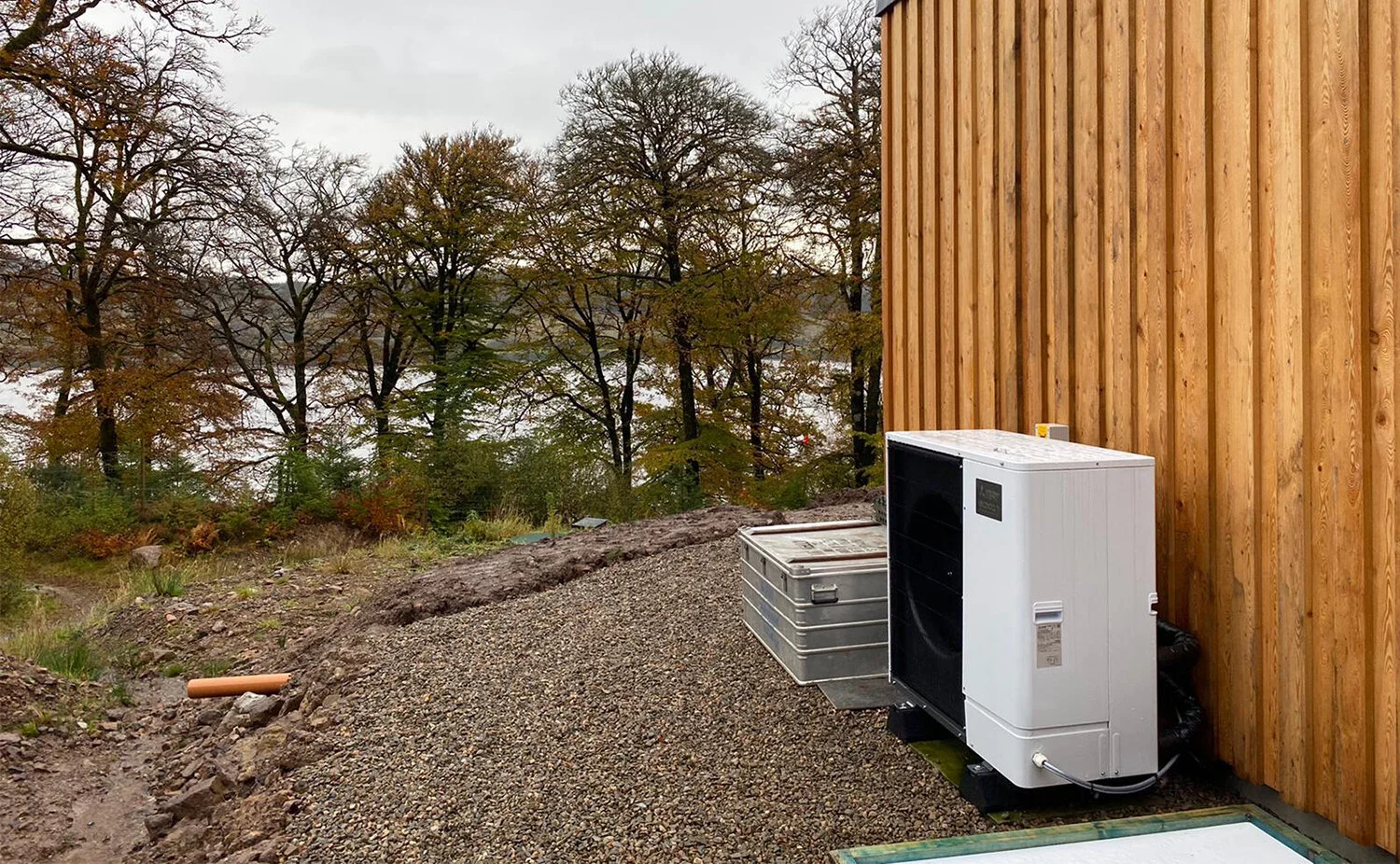
Changing a home’s heating system is a major decision. Most people only face it once every decade or two, which means they’re often stepping into unfamiliar territory when the time finally arrives.
Over the last few years, the Boiler Upgrade Scheme has become one of the most talked-about government initiatives linked to home heating. Yet despite the name, many homeowners still misunderstand what the scheme actually does.
Some assume it pays for a replacement gas boiler. Others believe anyone can apply and receive funding automatically. Neither is true.
If you’re researching heating options in 2026, understanding how the scheme works can help you avoid costly mistakes and make better long-term decisions for your property.
Why the Government Introduced the Scheme
The UK’s housing stock remains heavily dependent on fossil-fuel heating. Millions of homes still rely on gas, oil, or LPG boilers, all of which contribute to carbon emissions.
Reducing those emissions has become a central part of national climate policy. However, replacing traditional heating systems presents a challenge. While low-carbon alternatives already exist, many households find the upfront costs difficult to justify.
That gap between environmental ambition and affordability led to the creation of the Boiler Upgrade Scheme.
Rather than forcing homeowners to switch technologies, the scheme aims to make cleaner heating systems more financially achievable.
What the Boiler Upgrade Scheme Actually Supports
One of the biggest sources of confusion is the word “boiler” in the scheme’s title.
In reality, the programme is designed to support renewable heating technologies, not replace gas boilers.
Funding is available for qualifying installations, such as:
- Air source heat pumps
- Ground source heat pumps
- Biomass boilers in certain rural situations
The grant reduces part of the installation cost, helping homeowners move toward lower-carbon heating without bearing the entire expense themselves.
Unlike some older grant programmes, the money is usually handled through an approved installer. Homeowners generally see the grant deducted from their final bill rather than receiving a direct payment.
Why Heat Pumps Receive Most of the Attention
When people first hear about heat pumps, they often compare them directly with boilers. The reality is that they operate in a completely different way.
A boiler creates heat by burning fuel.
A heat pump moves existing heat from the surrounding environment into the home. Even when outdoor temperatures feel cold, the air and ground still contain usable thermal energy.
Because the system transfers heat instead of generating it through combustion, it can deliver several units of heat for every unit of electricity consumed.
That operating principle is the main reason governments and energy experts view heat pumps as an important part of future home heating.
The Home Matters as Much as the Heating System
One mistake homeowners sometimes make is focusing entirely on the equipment.
The building itself often determines whether a heat pump performs efficiently.
A modern, well-insulated property usually adapts more easily because it loses less heat. Older homes can also work well with heat pumps, but they may require improvements beforehand.
Common upgrades include:
- Loft insulation
- Wall insulation
- Draught reduction measures
- Larger radiators
- Heating system balancing
Without addressing excessive heat loss, even a high-quality installation may struggle to achieve its expected performance.
This is why reputable installers assess the whole property rather than simply recommending a heat pump immediately.
Who Can Usually Apply?
Eligibility depends on current scheme rules, but the programme is generally aimed at property owners looking to replace fossil-fuel heating systems.
Applicants often include:
- Owner-occupiers
- Private landlords
- Certain self-build projects
The property must also satisfy technical requirements before funding can be approved.
An installer accredited under the scheme typically carries out the assessment and confirms whether the project meets the necessary criteria.
The Cost Question Most People Ask
Although grants reduce installation costs, they rarely eliminate them completely.
Final project costs can vary significantly because no two homes have identical heating requirements.
Several factors influence the final figure:
- Property size
- Heat demand
- Existing heating infrastructure
- Required radiator upgrades
- Pipework alterations
- Hot water storage requirements
This explains why neighbouring homes can receive very different quotations despite appearing similar from the outside.
The heating system must be sized around the property’s actual needs rather than broad assumptions.
Why Some Homeowners Remain Unsure
Much of the hesitation surrounding heat pumps comes from familiarity.
People understand boilers. They know how quickly they heat water, what annual servicing looks like, and roughly how much repairs might cost.
Heat pumps often feel less familiar.
Concerns commonly include winter performance, electricity consumption, noise levels, maintenance requirements, and reliability.
These concerns are understandable.
In practice, performance depends heavily on system design. A properly sized and professionally installed heat pump can deliver very different results compared with one installed without careful planning.
The quality of the design process often matters as much as the equipment itself.
How the Application Process Typically Works
Many homeowners expect a lengthy government application.
The reality is often far simpler.
Most of the administration sits with the installer rather than the homeowner.
A typical process involves:
- Initial property survey
- Heating assessment
- System design and quotation
- Eligibility confirmation
- Grant application submission
- Installation
- Grant deduction from the final invoice
Because accredited installers manage much of the paperwork, the process can feel more straightforward than many people expect.
Understanding Funding Limits
Government support programmes operate within budgets.
That does not necessarily mean funding disappears overnight, but it does mean support is not unlimited.
Funding levels, political priorities, and future policy decisions all influence how schemes evolve over time.
For homeowners already considering a heating upgrade, delaying indefinitely based on assumptions about future incentives may not always be the best approach.
Future support could increase, remain unchanged, or be adjusted entirely.
Nobody can predict those decisions with certainty.
Looking Beyond the Grant
A grant can certainly help reduce upfront costs, but it should not be the only factor driving a heating decision.
The more important questions are often practical.
How efficiently will the system heat the property?
What are the likely running costs?
Will the installation suit the home’s layout?
How long is the equipment expected to last?
Since heating systems remain in service for many years, long-term suitability usually matters more than a short-term financial incentive.
Before Moving Forward, Ask These Questions
A little preparation can prevent expensive surprises later.
Consider discussing the following with potential installers:
- Is the property insulated well enough?
- Will existing radiators remain suitable?
- What annual maintenance is recommended?
- How much space will the system require?
- What warranties are included?
- Have similar properties achieved good results?
The answers often provide a clearer picture than headline grant figures alone.
Final Thoughts
The Boiler Upgrade Scheme continues to play an important role in helping UK households explore lower-carbon heating options in 2026. Reducing part of the installation cost, it makes technologies such as air source and ground source heat pumps more accessible than they might otherwise be.
At the same time, funding should be viewed as only one part of the decision-making process.
The success of any heating upgrade depends on the property, the system design, and the quality of the installation. Taking the time to understand those factors will usually deliver greater value than focusing solely on the grant itself.
For most homeowners, the best outcome comes from balancing upfront costs, long-term efficiency, comfort, and practicality rather than chasing incentives alone.
 bapehoodiw0