
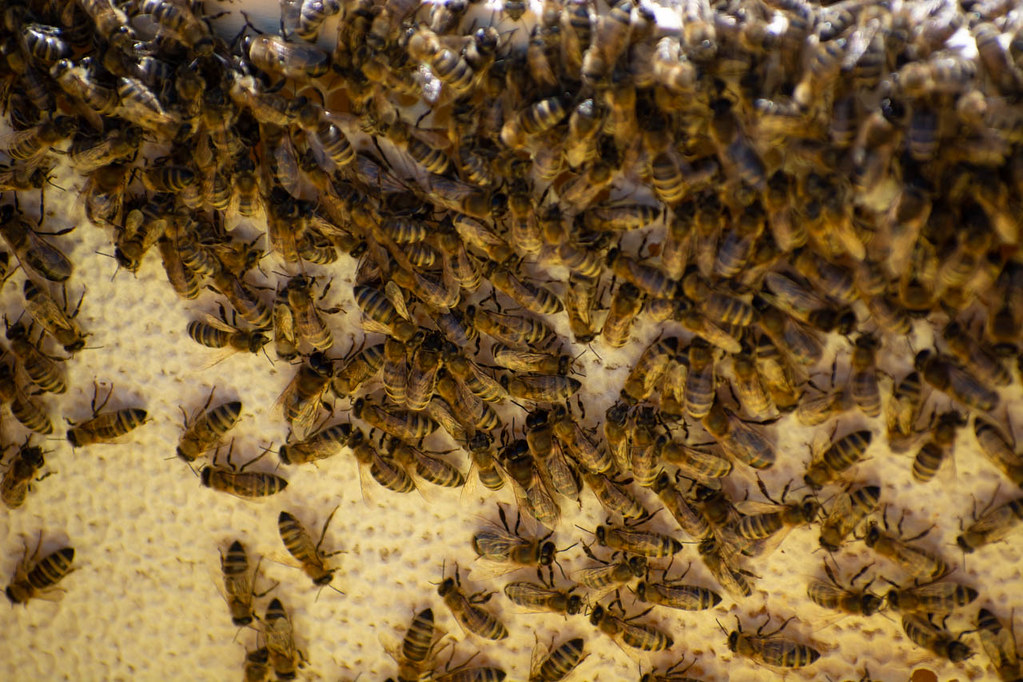
Many drivers are surprised when they notice bees flying around their vehicles, especially during warmer months. It can be unsettling to walk toward a parked car and see several pollinators hovering near mirrors, windows, tires, or even the hood. While this behavior may seem unusual, there are several scientific explanations behind it. Understanding these reasons is the first step toward preventing unwanted encounters while still respecting the important role pollinators play in the environment.
One of the primary reasons pollinators are attracted to vehicles is heat. Cars parked in sunny locations absorb and retain warmth, creating surfaces that may be appealing during cooler morning hours. Certain species seek warm areas that help regulate their body temperature and support daily activity.
Color can also influence attraction. Brightly colored vehicles sometimes resemble flowers from a distance. Shades such as yellow, blue, white, and even certain metallic finishes may attract attention because pollinators naturally associate vivid colors with nectar-producing plants. While a vehicle obviously does not provide food, visual cues may encourage investigation.
Seasonal Factors That Increase Bees Around Cars
The behavior of bees around vehicles often changes throughout the year. Seasonal conditions significantly influence pollinator activity, making certain months more likely to produce noticeable encounters. Understanding these patterns can help drivers anticipate and manage interactions more effectively. Spring typically marks the beginning of increased activity. As temperatures rise and flowers begin blooming, colonies expand rapidly. Worker populations grow, foraging efforts intensify, and pollinators travel greater distances in search of nectar and pollen. During this period, vehicle encounters become more common simply because more insects are active.
Summer often represents the peak season for pollinator activity. Warm temperatures, abundant floral resources, and extended daylight hours create ideal foraging conditions. Vehicles parked near gardens, parks, flowering landscapes, or agricultural areas may experience particularly high levels of attention. Drought conditions can further increase attraction to cars. During periods of limited rainfall, natural water sources may become scarce. Moisture collecting on vehicles or beneath parked cars can become valuable hydration opportunities for insects seeking water.
Certain species also engage in swarming behavior during specific times of the year. Swarming occurs when colonies reproduce and establish new populations. Large groups may temporarily gather in unusual locations while scout individuals search for suitable nesting sites. Vehicles occasionally become temporary resting places during these transitions. Autumn brings additional changes. While overall activity may decline compared to summer, pollinators continue searching for resources needed to prepare for cooler months. Late-season flowering plants and residual warmth from vehicles can still attract attention.
Common Situations Where Bees Become a Concern
Although most interactions are harmless, certain situations may require closer attention. Understanding when activity transitions from normal behavior to a potential concern helps vehicle owners make informed decisions. One common issue involves prolonged gathering around specific parts of a vehicle. If pollinators consistently concentrate in the same location over multiple days, there may be an underlying attractant that requires investigation. Residual food, moisture, or sheltered spaces can sometimes encourage repeated visitation.
Vehicles that remain parked for extended periods may occasionally attract nesting attempts. While uncommon, certain species investigate protected cavities around mirrors, wheel wells, body panels, or other structural features. Early detection can prevent minor issues from becoming more complicated. Commercial parking facilities and residential garages occasionally experience elevated activity when nearby colonies establish themselves in structures or landscaping. In these situations, vehicle encounters may simply reflect the presence of an active colony in the surrounding environment.
Individuals who discover persistent pollinator activity near vehicles often seek professional guidance to determine whether nearby nesting locations are contributing to the situation. During these assessments, some property owners research solutions such as a bee removal service in Vista, CA to better understand relocation options and environmentally responsible management strategies when colonies establish themselves in inappropriate locations.
Safety concerns may also arise for individuals with severe sting allergies. While pollinators rarely sting without provocation, awareness and caution remain important for those with heightened sensitivities. Misidentification presents another challenge. Wasps, hornets, flies, and other insects are frequently mistaken for pollinators. Accurate identification is important because management strategies vary depending on the species involved.
Effective Ways to Keep Bees Away From Your Vehicle
Preventing unwanted encounters begins with reducing factors that attract bees to vehicles. Fortunately, many effective strategies focus on simple maintenance practices that improve cleanliness and minimize attractants. Regular washing is one of the most effective measures. Removing pollen, sugary residues, fruit juices, and other organic materials reduces scents that may attract attention. Clean surfaces provide fewer reasons for insects to investigate.
Paying attention to moisture is equally important. Promptly drying vehicles after washing and addressing leaks that create standing water can significantly reduce attraction. Water sources often become especially important during hot weather. Parking location influences activity levels as well. Vehicles parked directly beside flowering gardens, blooming shrubs, or fruit-bearing trees are more likely to experience encounters. Choosing locations slightly removed from major floral resources may reduce interactions.
Inspecting vehicles for food residues is another useful practice. Spilled beverages, snack remnants, and sticky substances can create attractive conditions even when they seem insignificant to humans. Garage storage may provide additional protection when available. Covered parking reduces exposure to environmental factors that contribute to pollinator visitation while also offering protection from weather-related wear.
Avoiding heavily scented cleaning products can also help. Certain fragrances resemble floral scents and may unintentionally attract foraging insects. Choosing neutral products may reduce interest without affecting vehicle appearance. Routine inspections ensure that small issues do not become larger concerns. Checking mirrors, wheel wells, and sheltered areas periodically allows drivers to identify unusual activity before nesting attempts develop further.
Creating Long-Term Solutions for Peaceful Coexistence
Managing vehicle-related encounters effectively requires a long-term perspective. Rather than viewing pollinators as pests, it is often more productive to understand their ecological role and implement strategies that reduce conflicts while supporting environmental sustainability. Pollinators contribute significantly to food production, biodiversity, and ecosystem health. Many flowering plants rely on their services for reproduction, making them valuable components of natural and agricultural systems.
Community education plays an important role in promoting coexistence. Individuals who understand pollinator behavior are more likely to adopt practical prevention measures and less likely to react negatively to temporary encounters. Thoughtful landscaping can further support these efforts. Creating designated pollinator-friendly areas away from parking spaces encourages activity in appropriate locations while reducing interactions around vehicles.
Bees hover around cars for a variety of reasons, including warmth, moisture, color, scent, and seasonal environmental conditions. While these encounters can sometimes be surprising, they rarely indicate aggressive behavior or immediate danger. By understanding the factors that attract pollinators, maintaining clean vehicles, choosing parking locations carefully, and supporting responsible environmental practices, drivers can significantly reduce unwanted interactions. Humane prevention strategies not only improve comfort and safety but also contribute to the broader goal of protecting pollinator populations that play such a vital role in healthy ecosystems. Through awareness, maintenance, and thoughtful planning, peaceful coexistence becomes both practical and beneficial for everyone involved.
 kunalagarwal
  jackmorghan