
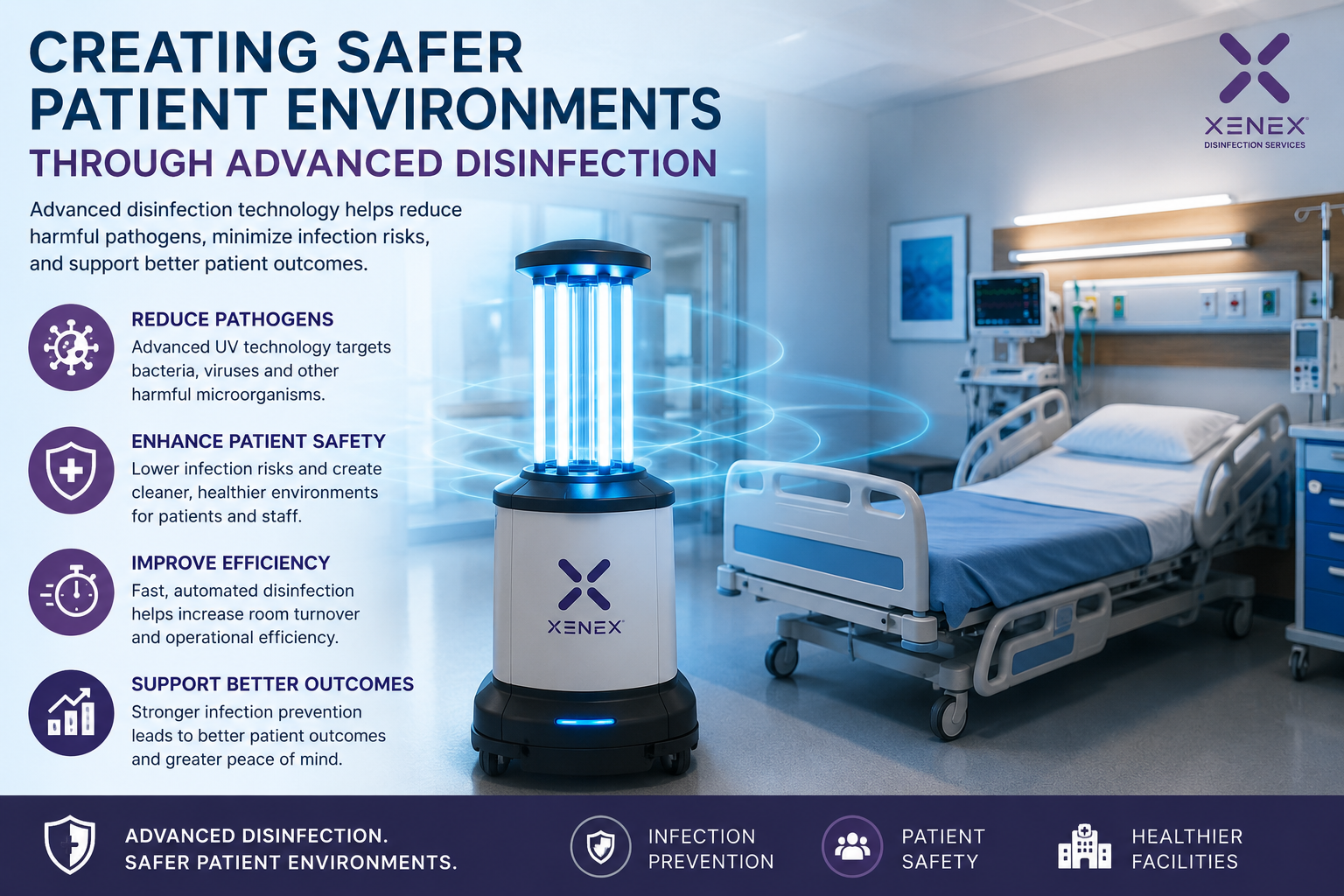
Patient safety remains at the heart of every healthcare facility’s mission. Hospitals, surgical centers, and healthcare organizations continuously seek innovative ways to reduce infection risks and improve patient outcomes. While traditional cleaning and disinfection practices remain essential, modern healthcare environments require more comprehensive solutions to combat harmful pathogens. Through the adoption of advanced healthcare disinfection solutions offered by Xenex, healthcare facilities can strengthen infection prevention efforts and create safer environments for patients, visitors, and staff.
As healthcare-associated infections (HAIs) continue to challenge hospitals worldwide, advanced disinfection technologies have become an important component of environmental hygiene and patient safety strategies.
Why Patient Safety Starts with Environmental Hygiene
Every day, patients interact with numerous surfaces within healthcare facilities. Bed rails, medical equipment, door handles, overbed tables, and monitoring devices are touched frequently by patients, caregivers, and healthcare professionals.
These high-touch surfaces can become reservoirs for dangerous pathogens such as:
- Methicillin-resistant Staphylococcus aureus (MRSA)
- Clostridioides difficile (C. diff)
- Vancomycin-resistant Enterococci (VRE)
- Influenza viruses
- Norovirus
Even when standard cleaning procedures are followed, some microorganisms may remain on surfaces. If left untreated, these pathogens can contribute to cross-contamination and increase the risk of healthcare-associated infections.
Creating safer patient environments requires a proactive approach that combines manual cleaning with advanced disinfection technologies.
Understanding Healthcare-Associated Infections
Healthcare-associated infections develop while patients receive medical treatment within a healthcare facility. These infections can occur in hospitals, outpatient centers, rehabilitation facilities, and long-term care environments.
HAIs can lead to:
- Extended hospital stays
- Increased healthcare costs
- Delayed recovery
- Additional medical complications
- Greater strain on healthcare resources
Reducing the environmental presence of harmful pathogens is one of the most effective ways to lower infection risks and support better patient outcomes.
The Limitations of Traditional Cleaning Methods
Manual cleaning remains a critical element of infection prevention. Environmental services teams work diligently to clean patient rooms, surgical suites, and common areas throughout healthcare facilities.
However, traditional cleaning methods face several challenges:
Human Error
Even highly trained staff can unintentionally miss contaminated surfaces during routine cleaning procedures.
Inconsistent Results
Cleaning effectiveness may vary depending on staff workload, time constraints, and environmental conditions.
Hard-to-Reach Areas
Certain surfaces and equipment components can be difficult to disinfect thoroughly using manual methods alone.
Persistent Pathogens
Some microorganisms can survive on surfaces for extended periods, increasing the likelihood of transmission between patients and healthcare workers.
These limitations highlight the need for supplemental technologies that enhance environmental cleaning programs.
What Is Advanced Disinfection?
Advanced disinfection refers to the use of innovative technologies that go beyond conventional cleaning methods to reduce microbial contamination.
Modern healthcare facilities increasingly incorporate:
- Automated disinfection systems
- UV disinfection technology
- Whole-room disinfection solutions
- Data-driven environmental hygiene programs
- No-touch disinfection devices
These technologies work alongside standard cleaning practices to create multiple layers of protection against harmful pathogens.
How UV Disinfection Technology Enhances Patient Safety
One of the most widely adopted advanced disinfection methods is ultraviolet (UV) disinfection technology.
UV systems use powerful ultraviolet light to destroy microorganisms by disrupting their DNA or RNA, preventing them from reproducing and spreading.
Advanced pulsed xenon UV systems deliver broad-spectrum UV light capable of reducing a wide range of pathogens commonly found in healthcare environments.
Benefits of UV Disinfection Include:
- Enhanced microbial reduction
- Improved environmental hygiene
- Reduced pathogen transmission
- Consistent disinfection performance
- Faster room turnover processes
By targeting microorganisms that may remain after manual cleaning, UV technology provides an additional layer of defense against infection.
Creating Multiple Layers of Infection Prevention
Healthcare experts increasingly recognize that no single solution can eliminate every infection risk. Successful infection prevention programs rely on multiple protective measures working together.
A comprehensive approach typically includes:
Routine Environmental Cleaning
Daily cleaning removes dirt, debris, and visible contamination from healthcare environments.
Surface Disinfection
Approved disinfectants help eliminate many harmful microorganisms from high-touch surfaces.
Advanced Disinfection Technologies
Automated systems provide supplemental protection by targeting pathogens that may survive manual cleaning.
Staff Education and Training
Healthcare workers and environmental services teams must follow established infection control protocols consistently.
Monitoring and Quality Assurance
Regular audits and performance evaluations help ensure cleaning programs remain effective.
Together, these strategies help healthcare facilities build safer patient environments.
The Impact on Healthcare Operations
Advanced disinfection technologies offer benefits that extend beyond infection prevention.
Improved Patient Confidence
Patients and families feel more comfortable receiving care in facilities that prioritize cleanliness and safety.
Enhanced Healthcare Reputation
Hospitals with strong infection prevention programs often earn greater trust within their communities.
Better Operational Efficiency
Automated disinfection systems can streamline room turnover processes while maintaining high hygiene standards.
Support for Regulatory Compliance
Healthcare organizations must meet strict infection prevention and environmental hygiene requirements. Advanced disinfection solutions help support compliance with these standards.
Key Areas That Benefit from Advanced Disinfection
Healthcare facilities utilize advanced disinfection technologies in a variety of settings, including:
Patient Rooms
Patient rooms experience continuous activity and require thorough cleaning between occupants.
Intensive Care Units (ICUs)
ICU patients often have weakened immune systems, making infection prevention especially important.
Operating Rooms
Surgical environments require the highest levels of cleanliness to minimize surgical site infections.
Emergency Departments
High patient volumes increase the risk of pathogen transmission in emergency care settings.
Isolation Rooms
Patients with infectious diseases require specialized environmental cleaning protocols.
Targeting these high-risk areas can significantly improve overall facility hygiene.
The Future of Healthcare Disinfection
The healthcare industry continues to invest in innovative technologies designed to improve patient safety and environmental hygiene.
Emerging trends include:
- Automated room disinfection systems
- Real-time cleanliness monitoring
- Artificial intelligence-driven cleaning analytics
- Enhanced UV disinfection platforms
- Data-based infection prevention strategies
As these technologies evolve, healthcare facilities will gain new tools to reduce infection risks and improve care quality.
Conclusion
Creating safer patient environments requires more than routine cleaning alone. While traditional environmental services remain essential, healthcare facilities increasingly depend on advanced disinfection technologies to strengthen infection prevention programs and reduce healthcare-associated infections.
By combining manual cleaning, environmental hygiene best practices, and innovative solutions such as UV disinfection technology, hospitals can significantly reduce pathogen transmission and improve patient safety. As healthcare organizations continue to prioritize infection control, advanced disinfection will remain a vital component of delivering high-quality, safe, and effective patient care.
 ali
ali  macadamiawalnutschabiakhrot
  enfieldroyalclinic