
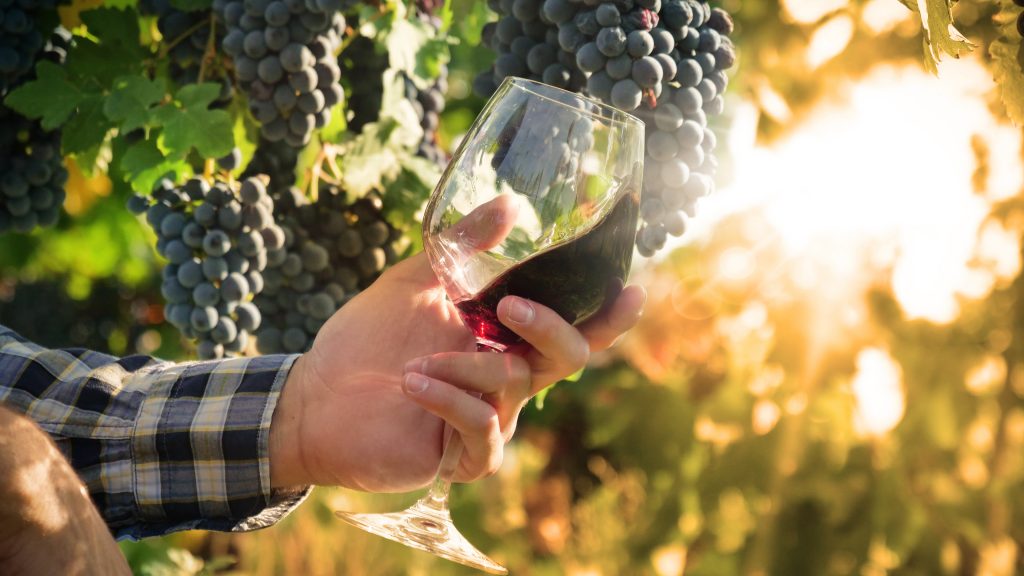
The demand for organic wines has grown significantly over the past decade as consumers become more conscious of sustainability, environmental impact, and healthier lifestyle choices. Organic wines are produced using grapes grown without synthetic pesticides, herbicides, or chemical fertilizers, creating a product that reflects both quality and responsible farming practices.
Many wine enthusiasts assume that premium organic wines are expensive and only accessible to luxury buyers. However, today’s market offers excellent options across a wide range of price points. Whether you are looking for an affordable bottle for a casual dinner or a prestigious vintage for a special occasion, there are outstanding choices available.
This guide explores premium organic wine brands suitable for every budget, helping wine lovers discover exceptional value without compromising on quality.
Understanding Organic Wine
Organic wine begins in the vineyard. Growers follow strict agricultural standards designed to protect soil health, biodiversity, and water resources. In many regions, certified organic vineyards must avoid synthetic chemicals and use natural methods to manage pests and diseases.
The result is often a organic wine brands that better expresses the character of its vineyard. While taste varies by producer and grape variety, many consumers appreciate the cleaner production process and environmental benefits associated with organic winemaking.
Budget-Friendly Choices Under $20
Premium quality does not always require a premium price tag. Several wineries have made organic wines accessible to everyday consumers.
Bonterra Vineyards
Bonterra has become one of the most recognized names in the organic wine industry. Based in California, the winery produces a variety of reds, whites, and rosés using organically farmed grapes. Their Cabernet Sauvignon and Chardonnay consistently receive praise for balancing quality and affordability.
Bonterra wines are ideal for consumers seeking reliable organic options without exceeding a modest budget.
Emiliana Organic Vineyards
Located in Chile, Emiliana is one of the world’s largest organic wine producers. The winery offers impressive value through wines such as Adobe Cabernet Sauvignon and Adobe Chardonnay. These bottles deliver rich flavors and excellent consistency at prices that remain accessible to most buyers.
The Honest Organic Wine Company
This producer focuses on creating approachable wines for everyday enjoyment. Their selections typically feature fruit-forward profiles and attractive pricing, making them a practical entry point for newcomers exploring sustainable wines.
Mid-Range Selections Between $20 and $50
For consumers willing to spend slightly more, the mid-range category offers a noticeable increase in complexity, craftsmanship, and aging potential.
King Estate Winery
Based in Oregon, King Estate is renowned for its commitment to sustainable and organic farming. The winery’s Pinot Gris and Pinot Noir have earned a loyal following among wine enthusiasts. These wines showcase elegance and balance while remaining reasonably priced.
King Estate demonstrates how organic wine brands can successfully combine environmental responsibility with premium winemaking.
Domaine Bousquet
Situated in Argentina’s Mendoza region, Domaine Bousquet benefits from high-altitude vineyards and ideal growing conditions. Their Reserve wines deliver concentrated fruit flavors, refined tannins, and impressive depth. The winery has become a favorite among consumers seeking premium quality at moderate prices.
Grgich Hills Estate
Founded by legendary winemaker Mike Grgich, this Napa Valley estate has long embraced organic farming practices. The winery produces exceptional Chardonnay, Cabernet Sauvignon, and Zinfandel. While some bottles approach the upper end of the mid-range category, they offer excellent value considering their Napa Valley heritage.
Luxury Organic Wines Above $50
For collectors, enthusiasts, and special occasions, several producers create world-class wines that rival the finest conventional offerings.
Domaine Leflaive
One of Burgundy’s most respected producers, Domaine Leflaive is celebrated for biodynamic and organic vineyard management. Its Chardonnay wines are renowned for complexity, minerality, and aging potential. Although prices can be substantial, these bottles represent the pinnacle of organic winemaking.
Frog’s Leap Winery
Frog’s Leap has built a reputation for sustainable agriculture and premium Napa Valley wines. Their Cabernet Sauvignon and Merlot showcase remarkable balance and terroir expression. The winery’s dedication to environmentally responsible practices has made it a leader among high-end producers.
Querciabella
Located in Tuscany, Italy, Querciabella produces exceptional organic wines that highlight the region’s rich winemaking tradition. Their flagship wines combine elegance, structure, and longevity, attracting collectors from around the world.
Best Organic Wines for Red Wine Lovers
Red wine enthusiasts have numerous organic options to explore across various styles and budgets.
Cabernet Sauvignon remains one of the most popular choices due to its bold flavors and aging potential. Bonterra, Frog’s Leap, and Grgich Hills all offer excellent examples.
Pinot Noir lovers should consider King Estate and other Oregon producers known for crafting elegant wines with bright fruit character and refined tannins.
For those who enjoy Mediterranean varieties, Italian and Spanish organic producers often create exceptional Sangiovese, Tempranillo, and Syrah wines that deliver both authenticity and value.
Top Organic White Wines
Organic white wines continue to gain popularity among consumers seeking freshness and versatility.
Chardonnay remains a standout category, with producers such as Domaine Leflaive and Grgich Hills crafting wines that showcase balance and complexity.
Sauvignon Blanc from organic vineyards often displays vibrant citrus notes and crisp acidity, making it an excellent choice for seafood dishes and warm-weather occasions.
Pinot Gris from King Estate offers a refreshing alternative with floral aromas and bright fruit flavors that appeal to a broad range of palates.
How to Choose the Right Bottle
Selecting the right non alcoholic champagne depends on several factors beyond price alone.
Consider the Occasion
A casual gathering may call for an affordable yet dependable bottle, while a celebration might justify investing in a more prestigious wine.
Match the Wine to Food
Rich red wines pair beautifully with grilled meats and hearty dishes, while crisp whites complement seafood, salads, and lighter cuisine.
Check Certifications
Many organic wine brands display certification labels from recognized organizations. These labels assure that the winery follows established organic standards.
Explore Different Regions
Organic wine production now spans the globe. Exploring wines from California, Oregon, Chile, Argentina, Italy, and France can introduce you to diverse styles and flavor profiles.
The Future of Organic Winemaking
As sustainability becomes increasingly important, organic viticulture continues to expand worldwide. More wineries are adopting environmentally responsible farming methods to improve vineyard health and reduce their ecological footprint.
Advancements in vineyard management and consumer demand are encouraging producers to invest in organic certification and sustainable practices. This trend is expected to create even more options for wine lovers in every price category.
Conclusion
The world of premium organic wine offers something for every budget and taste preference. From affordable everyday selections to prestigious collector-worthy bottles, today’s market provides a wide range of exceptional choices. By exploring trusted producers and understanding what makes organic wines unique, consumers can enjoy outstanding quality while supporting environmentally responsible agriculture.
Whether you are new to organic wines or a seasoned enthusiast, investing in carefully crafted bottles from respected producers can enhance your wine experience while contributing to a more sustainable future.
 digitalmark
  johnmark
  Freya Parker