
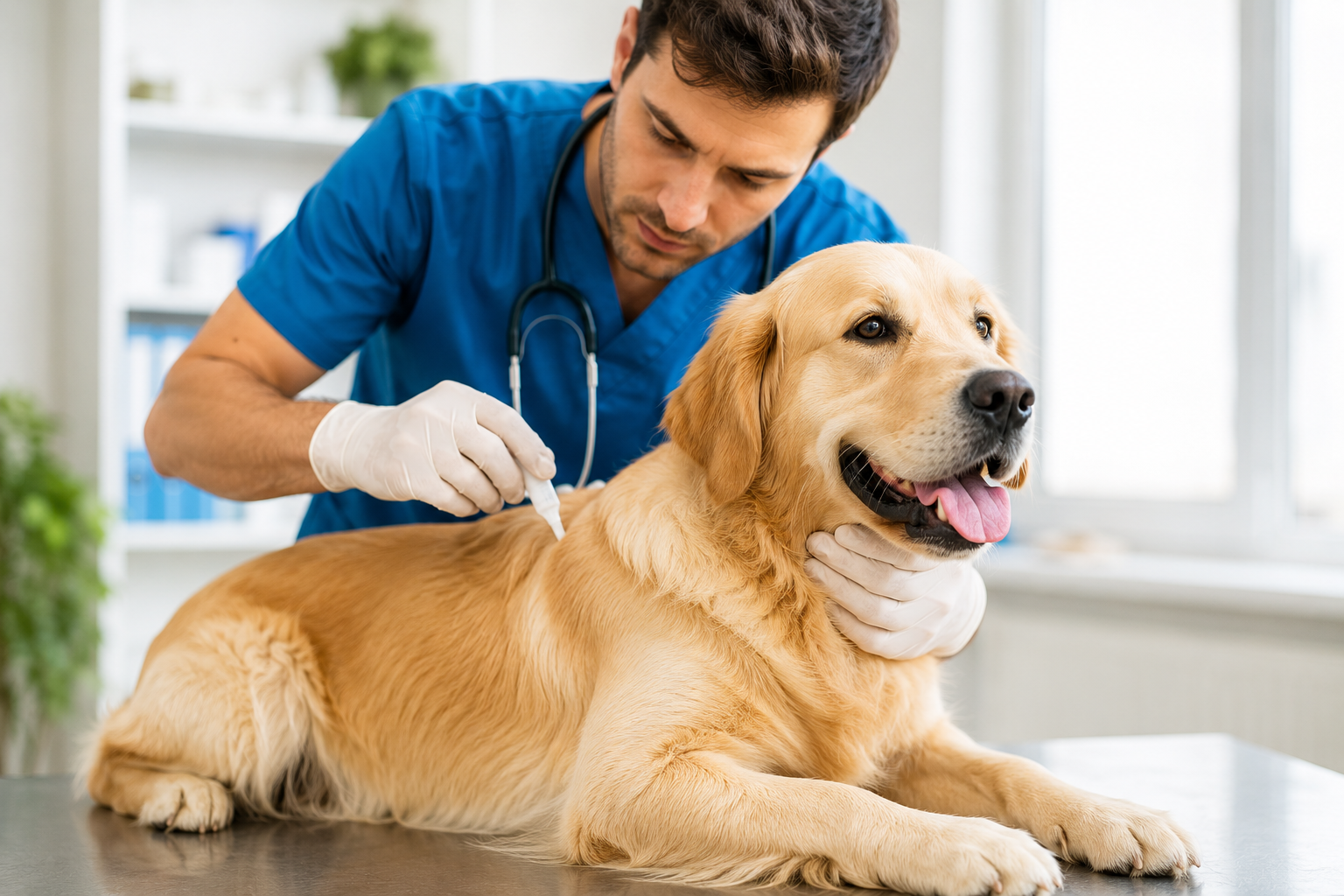
Hookworms are one of the most prevalent intestinal parasites of dogs, found in dogs globally. They are tiny but can become very serious if not taken care of. Many pet owners do not notice the initial symptoms until it is more advanced. Knowing more about hookworms in dogs is the first step towards keeping your pet healthy. Infection can be minimized with good husbandry, regular veterinary examinations, and appropriate preventive measures. Here, you will learn how to identify the symptoms, how to diagnose hookworms, and what you can do to treat them and prevent them from bothering your dog in the future.
Understanding Hookworms in Dogs
What Are Hookworms?
Hookworms are intestinal parasites that reside in a dog’s gut. They cling to the lining of the gut and get their nourishment from the blood. While these parasites are microscopic, their health problems can be substantial in the long run.
Hookworms may cause anemia, digestive disorders, and general weakness due to their blood-eating habit. Puppies can be especially susceptible, as they have less blood available, and their immune system is less developed.
How Dogs Get Hookworms
There are several ways that dogs can become infected.
These include:
- Contact with contaminated soil
- Ingesting infected material
- Consuming infected prey
- Nursing from an infected mother.
- Contact with kennels, parks, or outdoor areas
Healthy dogs may be exposed to hookworms because they can survive in the environment.
Why Hookworms Are a Serious Concern
Hookworm in dogs is underrated. But if these parasites are not treated in time, they can lead to severe issues.
The possible health problems are:
- Blood loss
- Chronic anemia
- Weight loss
- Digestive distress
- Reduced energy levels
Severe infections can be life-threatening if the puppy does not get veterinary attention.
Common Symptoms of Hookworms in Dogs
Early Warning Signs Pet Owners Should Watch For
Early detection can result in quicker recovery. Unfortunately, in the early stages, symptoms can be vague.
The following are signs that are common:
- Mild diarrhea
- Decreased appetite
- Weight loss
- Low energy
- Occasional vomiting
The symptoms are similar to those of other illnesses, so many infections are not recognized.
Advanced Symptoms of Hookworm Infections
Symptoms are likely to worsen as the infection develops.
Owners of any pet might see:
- Pale gums
- Bloody stools
- Significant weakness
- Rapid weight loss
- Poor coat quality
Some of these can be signs that blood loss continues and are an emergency.
Symptoms in Puppies vs. Adult Dogs
A pup’s symptoms are usually more severe than an adult dog’s. They are also more susceptible to blood loss due to hookworms because of their smaller body size.
Puppies may develop:
- Severe anemia
- Delayed growth
- Extreme weakness
- Dehydration
Adult dogs can hold on to infections for longer periods of time but will still need treatment to avoid complications.
How Veterinarians Diagnose Hookworms in Dogs
Physical Examination
A complete physical exam typically starts your diagnostic process. Doctors check symptoms, medical history, and overall health.
They also may consider:
- Gum color
- Hydration status
- Body condition
- Energy levels
This helps to assess the extent of the infection.
Fecal Testing and Laboratory Analysis
Fecal examination is the most common method used to diagnose hookworms in a dog. A specimen of stool is viewed in a microscope for the presence of hookworm eggs. Lab tests give a definite diagnosis and aid in deciding on treatment.
Why Early Diagnosis Matters
There are advantages to early diagnosis.
These include:
- Faster treatment
- Reduced complications
- Lower parasite spread
- Improved recovery outcomes
Early diagnosis can help to avoid serious infections.
Best Hookworm Treatment for Dogs: What Pet Owners Need to Know
Understanding Deworming Medications
Deworming is usually recommended to kill hookworms. These drugs are effective and treat the parasites without harming the host.
Treatment options depend on the following:
- Age of the dog
- Severity of infection
- Overall health condition
- Risk of reinfection
It is important to adhere to the timings in order to achieve successful treatment.
Why Professional Treatment Is Essential
There are many unverifiable remedies that are recommended online. But home treatment measures rarely kill parasites thoroughly.
In a professional veterinary care setting, you can be assured that it is kept:
- Accurate diagnosis
- Safe treatment
- Complete parasite removal
- Ongoing monitoring
This will minimize the chance of complications and follow-up infections.
Follow-Up Care After Treatment
Treatment doesn’t stop with the giving of the medicine. Post-treatment is an important part of the healing process.
Veterinarians may recommend:
- Repeat fecal testing
- Additional treatment doses
- Nutritional support
- Ongoing monitoring
They are taken to ensure adequate resolution of the infection.
Choosing the Best Hookworm Treatment for Dogs
The best hookworm treatment for dogs will vary based on the severity of the infection, the dog’s health status, and age.
Vets create personal treatment plans for pets. Individualized care is more effective and more effective than mass treatment.
Hookworm Prevention Dogs Need for Long-Term Health
Maintain a Clean Living Environment
One of the best preventive measures is good hygiene.
Pet owners should:
- Remove waste promptly.
- Wash bedding regularly.
- Keep food and water bowls clean.
- Sanitize living spaces.
Maintaining clean surroundings will minimize exposure to hookworm larvae.
Follow a Preventive Deworming Schedule
Regular deworming is essential for long-term protection.
The following is recommended by veterinarians:
- Regular wellness exams
- Scheduled deworming
- Year-round parasite prevention
To be effective, dogs need consistent treatment for hookworms.
Reduce Exposure to Contaminated Areas
Exposure risks may be higher during outdoor activities.
To minimize the risk of infection:
- Please steer clear of areas with high contamination levels.
- Keep an eye on dogs when they are out for walks.
- Prevent scavenging behavior
- Ensure play areas are kept clean.
There are simple precautions that can make a lot of difference.
Keep Puppies Protected
Hookworm is more likely to infect puppies. Ongoing veterinary care is the basis for long-term health.
Preventive measures include:
- Early health screenings
- Routine deworming
- Proper nutrition
- Regular veterinary visits
Problems are less likely to occur if a child receives early help.
The Connection Between Nutrition and Parasite Resistance
Building a Strong Immune System
A strong immune system helps the body get over an infection.
Good healthy nutrition helps the body to:
- Better energy levels
- Improved immunity
- Stronger digestive health
Dogs that aren’t ill generally respond better to the treatment.
Foods That Support Digestive Wellness
Nutrition is an important aspect of wellness.
The following is a list of key food components:
- High-quality protein
- Essential vitamins
- Minerals
- Adequate hydration
- Fiber-rich ingredients
Maintaining a healthy digestive tract helps to promote health in the long run.
Why Wellness Matters for Prevention
In conjunction with the adoption of proper nutrition and healthy lifestyle habits, preventive care works best. Overall good health enables your dog to be better protected against parasites and other typical dog problems.
Common Mistakes Dog Owners Should Avoid
Skipping Routine Veterinary Checkups
Regular examinations enable the early detection of infection. Failure to attend appointments can cause a delay in diagnosis and treatment.
Ignoring Mild Symptoms
Many owners shrug off minor symptoms of diarrhea or tiredness. Leaving these symptoms untreated can cause infections to get worse.
Relying on Unverified Treatments
Some Internet remedies may sound tempting, but don’t necessarily have scientific backing. The only safe bet is to get professional veterinary care.
Inconsistent Preventive Care
Prevention is a process that takes a long-term approach. Worming at irregular intervals and inadequate hygiene further increase the risks of infection.
When to Seek Immediate Veterinary Care
Severe Symptoms That Require Urgent Attention
The symptoms will need immediate medical evaluation in some cases.
These include:
- Extreme lethargy
- Persistent diarrhea
- Severe anemia
- Significant weight loss
- Bloody stools
Early treatment can avoid potentially fatal complications.
High-Risk Dogs
Some dogs are more susceptible to infection with hookworm.
These include:
- Puppies
- Senior dogs
- Pregnant dogs
- Weak immune system in dogs
It may be necessary to watch these pets more carefully.
The Benefits of Early Intervention
Early treatment helps in better recovery and minimizes complications. It also helps to protect against the spread of parasites to other animals. One of the best ways to keep your dog healthy is to provide them with proper care at the right time.
Conclusion
It’s important that all dog owners know about hookworms. Being aware of the signs of early detection and the need for early intervention, and keeping to a strict preventive program, can help to minimize the health risks. Good dog care habits, regular veterinary check-ups, and regular parasite control are vital for the prevention of hookworm in dogs. If such an infestation does occur, the best dog hookworm treatment will help to keep your pet safe and healthy and get them better sooner. Atlas Pet Hospital is committed to providing cats and dogs with healthier, happier lives. Call our staff today to discover more about the most efficient ways to stop the transmission of hookworms.
 haileyjune
  glennprior
  blackout