
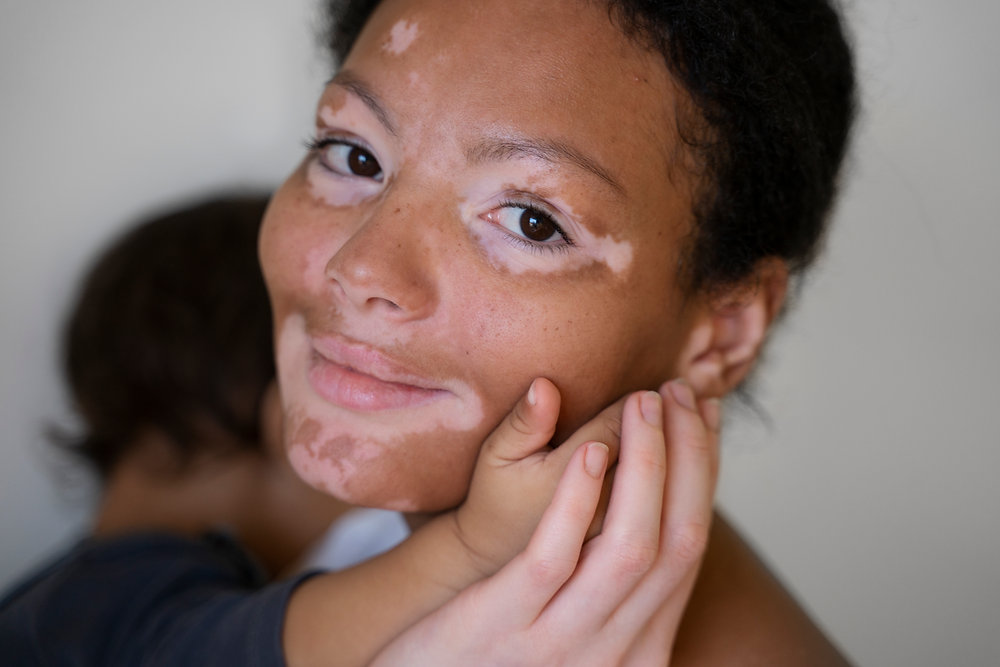
Understanding the biological processes behind skin color restoration is the first step in appreciating the journey toward managing vitiligo. For many individuals exploring options for Vitiligo treatment in Abu Dhabi, the core objective is to stimulate the body’s natural ability to produce pigment where it has been lost. This process is complex, involving the activation, migration, and maturation of pigment-producing cells known as melanocytes, which are essential for restoring the skin’s natural tone.
- Repigmentation is a biological process that replaces lost melanocytes in the skin’s basal layer.
- The primary goal of therapy is to reactivate dormant pigment-producing cells and encourage them to populate depigmented areas.
- Understanding that this is a regenerative process helps manage expectations regarding the time and consistency required for visible results.
The Role of Melanocytes in Skin Color
To understand how treatment works, one must first recognize the role of melanocytes. These cells are responsible for producing melanin, the pigment that gives skin, hair, and eyes their color. In vitiligo, these cells are either diminished or no longer functional in specific areas, leading to the appearance of white patches. Repigmentation relies on a “reservoir” of healthy melanocyte stem cells often found in the hair follicles or at the edges of the depigmented patches.
- Melanocytes reside in the skin and hair follicles, functioning as the primary source of skin pigment.
- Vitiligo disrupts this system, but dormant stem cells often remain in the follicles, serving as a potential source for recovery.
- Successful treatment effectively “wakes up” these dormant cells, prompting them to begin producing pigment again.
Stimulating Cellular Migration and Proliferation
The journey toward repigmentation involves a sequence of cellular events. Once stimulated by specific therapies, melanocyte precursors located in the hair follicles or at the borders of the lesion begin to proliferate. These cells then migrate from their niche into the surrounding depigmented skin, a process that is often clinically visible as small, pigmented dots appearing around hair follicles—a pattern known as perifollicular repigmentation.
- Proliferation is the phase where the number of healthy pigment cells increases following appropriate stimulation.
- Migration describes the movement of these cells from their “reservoir” (the hair follicle) to the surface of the skin.
- Differentiation allows these cells to mature into functional melanocytes capable of synthesizing melanin, effectively closing the gap in skin color.
Phototherapy and the Power of Light
Light therapy, specifically narrow-band ultraviolet B (NB-UVB), remains a cornerstone of repigmentation strategies. This method works by exposing the skin to specific wavelengths of light, which act as a potent stimulant for melanocytes. The light not only encourages these cells to produce pigment but also creates a micro-environment that supports their survival and function, helping to blend the lighter patches with the surrounding healthy skin over time.
- NB-UVB is widely used because it can safely target the skin layers where melanocytes reside.
- The light acts as a biological signal that triggers the migration and activity of pigment-producing cells.
- Consistent, scheduled exposure is required because the process of generating new pigment is gradual and cumulative.
Advanced Topical Therapies and Immune Regulation
In recent years, the approach to vitiligo has expanded to include topical therapies that address the underlying immune-mediated factors. By utilizing medications that modulate the immune environment, these treatments help to create a “safe zone” where melanocytes can survive without being attacked. When the local immune activity is calmed, the natural regenerative processes of the skin are better able to succeed, often in conjunction with other light-based modalities.
- Topical medications can help reduce the local inflammatory response that contributes to the persistence of vitiligo patches.
- By stabilizing the skin environment, these treatments allow natural repigmentation signals to function more effectively.
- Many modern protocols combine these topical agents with light therapy to achieve a synergistic effect, enhancing overall results.
The Importance of Sustained Maintenance
Repigmentation is rarely an instantaneous change; it is a gradual progression that requires patience. Because the skin cells must migrate and mature, it can take several months of consistent treatment before significant color return is observed. Once the desired level of pigment is achieved, maintenance strategies—often involving continued topical care or periodic sessions—help to preserve the progress and prevent the reappearance of new patches.
- Patience is essential, as the cellular turnover and migration involved in repigmentation take significant time.
- Maintenance therapy helps keep the immune environment stable to ensure that the newly restored pigment remains healthy.
- Consistency in following a treatment plan is the most reliable way to achieve and maintain visible skin color restoration.
Frequently Asked Questions
1. Can all areas of the body be repigmented with current treatments?
While many areas respond well to treatment, some parts of the body, such as the tips of the fingers and toes, are often more challenging to treat. Response times can vary significantly depending on the location of the patches, the duration of the condition, and the individual’s biological response to therapy.
2. How do I know if the treatment is working?
Early signs of repigmentation often appear as tiny, darker spots around the hair follicles within the white patches, a process known as perifollicular repigmentation. Over time, these spots may expand and merge, eventually leading to a more uniform skin tone.
3. What is the typical duration of a repigmentation treatment plan?
Because repigmentation is a slow, regenerative process, treatment plans usually span several months. Significant results often require consistent, scheduled sessions over a period of up to a year, and the duration is highly individualized based on the patient’s specific needs and goals.
4. Why is combining different treatments often recommended?
Combining therapies—such as light therapy and topical applications—can address vitiligo from multiple angles simultaneously. While one treatment might stimulate the production of pigment, another may focus on stabilizing the skin environment, creating a more comprehensive approach that often leads to faster and more stable results.
 anayamehra
  Lavishcars
  ali
ali